
Case Studies
Case Study: Implementing Ethan AI at Aarambh Therapy Center
Oct
Supporting therapists through passive observation, without disrupting care
Aarambh, a mid-sized therapy center working with neurodivergent children was navigating a familiar set of challenges. The therapy sessions required being fully engaged with the child, continuous attention, and careful observation, while therapists were also expected to document behaviors, ensure safety, and reflect on progress across sessions.
The center was not seeking automation or the replacement of human judgment. But there was a clear need to ease the mental effort involved in post-session documentation and visibility across sessions, without introducing additional complexity into the therapy environment.
Here’s the Challenge. Therapists were fully engaged during sessions and later needed to reconstruct them for documentation, which meant certain session-level behaviors and transitions were not always captured uniformly. Comparing observations consistently across sessions remained difficult and often relied on individual recollection.
The center needed a quiet, background support, without adding screens, alerts, or real-time prompts to the therapy environment.
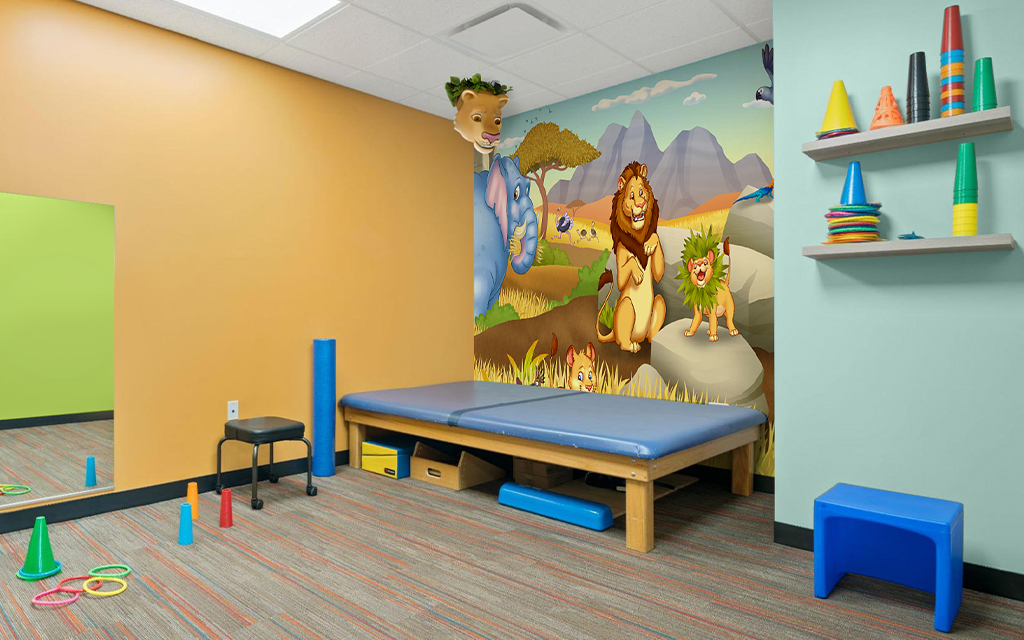
To address this, Ethan AI was deployed as a passive, assistive system using the center’s existing camera infrastructure, with no new hardware introduced and no changes made to therapy workflows. The system was designed to quietly observe therapy sessions, focus only on therapist-defined, high-level behavioral categories, and surface insights after sessions rather than during live therapy.
In the pilot phase, Ethan AI was deployed across a limited number of therapy rooms and configured in close consultation with the therapy team. The system passively observed sessions involving a small cohort of children, focusing on broad behavioral categories such as boundary awareness within the therapy space, repetitive movement patterns, prolonged distress indicators, and transitions between activities.
This approach was guided by a clear design principle: Ethan AI is an assistive system, it does not diagnose, evaluate, or replace human expertise. Instead, it exists to support therapists by organizing observational data responsibly, while preserving therapist judgment and the dignity of the children in their care.
Calling therapists and system architects interested in collaborating with us to develop and deploy more customizable solutions. Please reach out to us at shilpa.pakki1812@gmail.com
