

A mother works a short shift and is away from home for 2 hours. Her 15-year-old who is on the Autism Spectrum stays home, after school, usually watching TV in the living room. The parent’s core worry isn’t productivity or screen time, it’s about safety, reassurance, and peace of mind, knowing that if something unusual […]
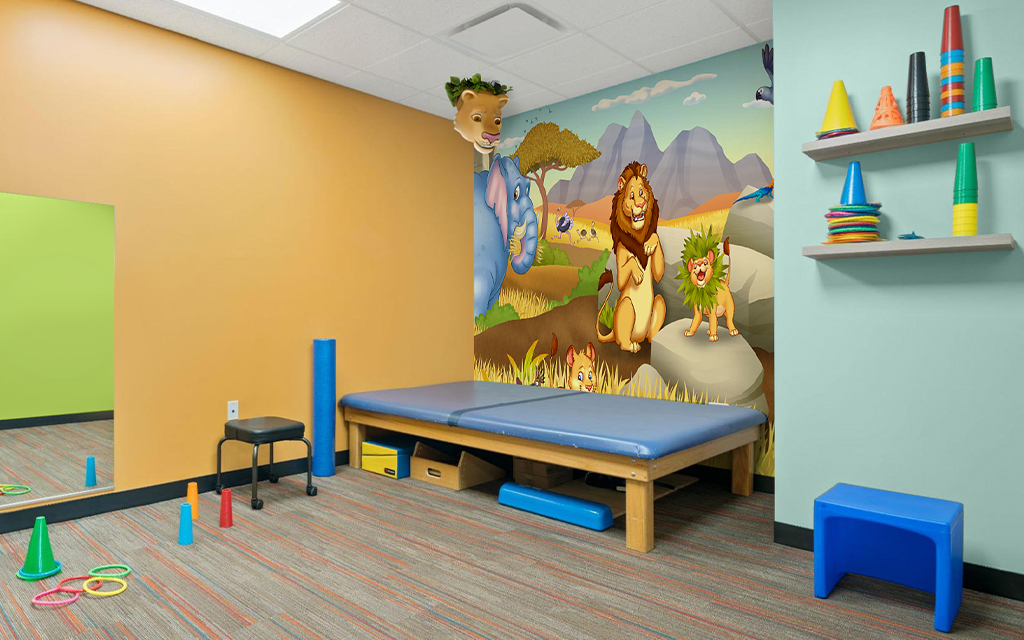
Supporting therapists through passive observation, without disrupting care Aarambh, a mid-sized therapy center working with neurodivergent children was navigating a familiar set of challenges. The therapy sessions required being fully engaged with the child, continuous attention, and careful observation, while therapists were also expected to document behaviors, ensure safety, and reflect on progress across sessions. […]
An autism diagnosis often arrives with a sense of clarity—finally, there is a name for what a child is experiencing. But for families, that clarity is quickly followed by a deeper realization: diagnosis alone does not solve the challenges of daily life. While therapies such as speech, occupational, or behavioral intervention are critical, they typically […]
Caring for a child with autism or intellectual disabilities often feels like being “on” all the time. Parents and caregivers watch closely—during play, learning, meals, and routines—trying to anticipate what their child needs next. Yet despite this constant attention, some of the most important moments still slip by. Not because caregivers aren’t trying hard enough, […]
When parents and caregivers think about independence for children with autism or intellectual disabilities, the focus usually lands on Activities of Daily Living – brushing teeth, dressing, eating independently, or using the toilet. These skills are often treated as the visible markers of progress. Yet, for many families, the real challenge begins much earlier, long […]

